Chinese candy factories welcome the Spring Festival

Table of Contents

Traditional spirit:
Chinese New Year is a time-honored tradition filled with symbolism, joy and auspicious beginnings. Every household visits relatives and friends, tastes delicious food, and celebrates the arrival of this moment together. This moment means the end of the old year and the beginning of the new year. We are all looking forward to the new year and new atmosphere!

A feast for the senses:
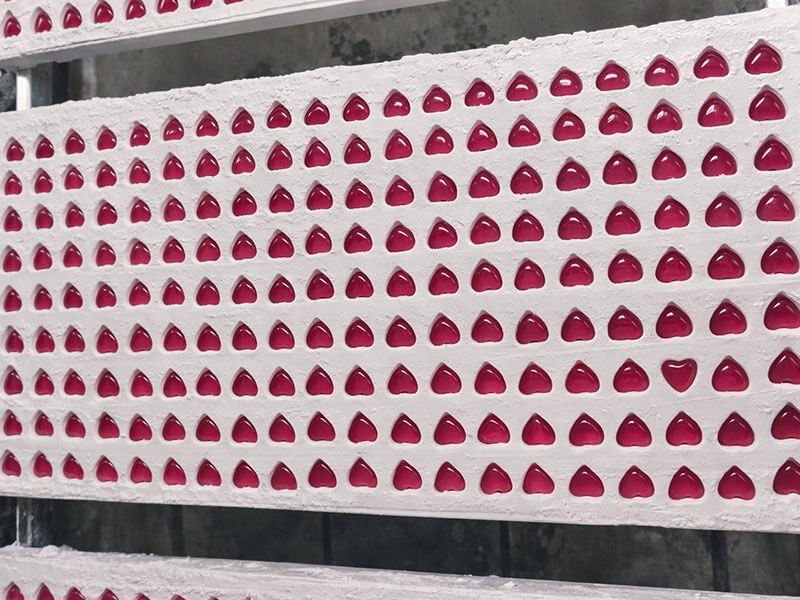
As a candy factory, our Spring Festival gifts are of course indispensable for delicious candies. Various candies and chocolates are the first choice to give to relatives and friends during the Chinese New Year. Their colorful appearance attracts everyone.

Keep the family together:
The Chinese New Year is a time for families to reunite, share blessings, and create beautiful memories. Our candies are more than just desserts; they’re symbols of love and joy that bring families closer and make celebrations even sweeter.

Join the festivities:
Come join us and ring in the new year with beautiful sweets from our factory.

Contact us now to get a quote
​

Submit Your Sourcing Request
RELATED POSTS
Wholesale Candy Sourcing from China: Incoterms, Lead Times and Documentation

What Incoterms Actually Mean in a Candy Purchase A quotation that shows only a unit price per carton does not tell you what you will finally pay. Two suppliers can quote the same product and produce different landed costs, because the Incoterm decides who pays for which leg, who carries risk at each point, and who answers when a container waits at the terminal. Incoterms are standard trade terms published by the International Chamber of Commerce, dividing cost, task and risk between seller and buyer. They are not a price list, and they do not set freight rates, which depend on route, season, carrier and volume. For a candy buyer they answer three questions: who arranges transport, who pays for what, and where risk passes to you. Why the Term You Agree On Changes Your Landed Cost 1. EXW (Ex Works) The supplier packs the goods at the factory; inland haulage, export clearance, freight, insurance and delivery are yours. This suits buyers who consolidate several suppliers through one forwarder. 2.FOB (Free On Board) The supplier delivers to the named port and clears the goods for export; risk passes when they are on board, and you control the main freight and

Read More >>
How to Choose a Candy Manufacturer in China: A Due-Diligence Checklist

Why Is Verifying a Candy Manufacturer in China So Hard? If you source candy for a brand, an import business or a distribution network, your first question is rarely “which candy tastes best.” It is a quieter and far more expensive question: am I talking to a factory, or to someone who forwards my emails to one? Almost every sourcing problem that appears later started here — a price that moves after the quote, samples that never match mass production, packaging that slips past a launch date, or a batch you cannot trace when a retail buyer asks a question. None of those are taste problems. They are verification problems. China’s candy supply chain is deep and genuinely capable. It also contains a large number of intermediaries who describe themselves as manufacturers, present a polished catalogue, and then subcontract the actual production. For a buyer, the difference is practical rather than philosophical. A trading company adds a margin layer and a communication layer, but it usually does not control the line that makes your product. When your formula needs adjusting, your packaging needs a structural change, or a shipment has to be re-run, direct factory access is what keeps cost, lead

Read More >>
Our Complete MOQ Guide: Gummy, Hard Candy, Lollipop & Chocolate

For most commercial candy products, a common single-item MOQ is approximately 4–6 tons or 30,000–60,000 pieces per item — but the real number depends on product type, production process, packaging, and customization level. You don’t need one product to fill a whole container: as long as each item meets its own MOQ, you can mix multiple products in one container, or even consolidate with goods from other suppliers. This guide explains exactly how MOQ works and how to plan your first bulk order. Why MOQ Exists (and Why It Matters for You) MOQ is not a barrier — it’s how factories keep unit costs, quality, and delivery stable. Minimum order quantities reflect three things: Production line efficiency — a candy line runs continuously; short runs waste setup time and drive up cost per piece. Raw material purchasing — ingredients and packaging are bought in bulk; smaller batches mean higher per-unit material cost. Mold and specification amortization — for custom shapes, colors, and packaging, the setup cost is spread across the batch. The result: MOQ protects your unit price, our production stability, and the long-term consistency of your product. Typical MOQ Ranges by Product Category The table below shows typical reference ranges for commercial orders. Exact figures are

Read More >>

Submit Your Sourcing Request

To make it easier for you to receive a quote, simply leave your information, and we will contact you as soon as possible.